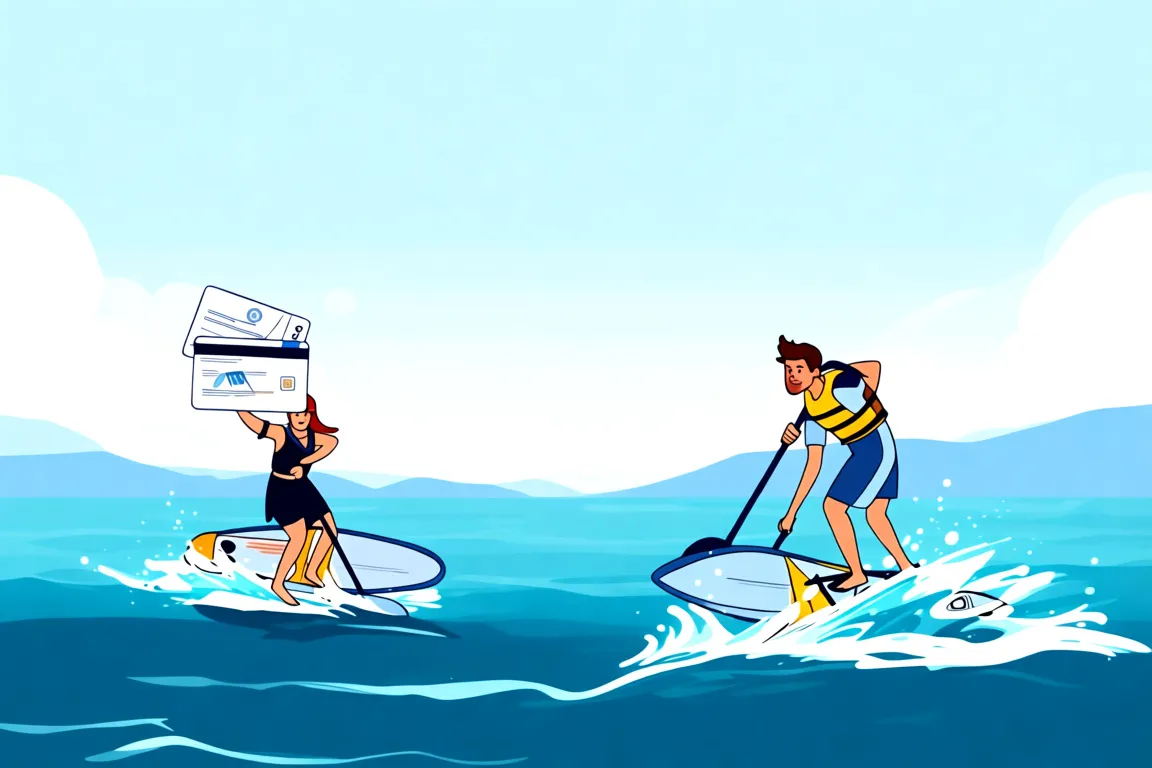


Water Sports Adventures: Visa and Safety Considerations for International Travelers
Sort Your Visa First
Start with the country entry rules before you pick dates or book lessons. Most places that draw water sports crowds post clear tourist visa windows on official sites.
- Thailand gives many nationalities 30 days on arrival for surfing or diving trips. Apply online only if you plan to stay longer.
- Australia requires an ETA or eVisitor for Americans and Europeans who want to kite surf or snorkel the Great Barrier Reef. Approval usually arrives by email within minutes.
- Indonesia now pushes the e-visa for Bali surf trips. Fill it out at least three days ahead to avoid lines at the airport.
Always match the listed activity to your visa type. Some countries flag commercial lessons as work and need extra paperwork.
Insurance and Health Prep
Standard travel policies often exclude water sports. Add a rider that covers diving to 30 meters or white-water rafting before you pay.
- Print the emergency number for your chosen operator and the nearest decompression chamber if you scuba dive.
- Carry a copy of your vaccine records and any prescription meds in original packaging.
- Tell your instructor about any past ear or sinus issues so they can adjust the plan.
| Activity | Common Insurance Gap | Quick Fix |
|---|---|---|
| Scuba | Depth limit too low | Upgrade to 40 m coverage |
| Kayaking | White water excluded | Add adventure sports clause |
| Surfing | Board damage not covered | Personal liability add-on |
Local Safety Rules on Arrival
Check tide and wind apps the morning you arrive. In Hawaii, for example, winter surf can close entire beaches with two hours notice.
Ask the rental shop about currents at that exact beach. Guides in Mexico often mark safe entry points with buoys after recent storms.
Carry a waterproof phone case and a whistle on any rented board or kayak. Both items meet coast guard rules in most places and take up almost no space.